
Gum Disease

Gum Disease
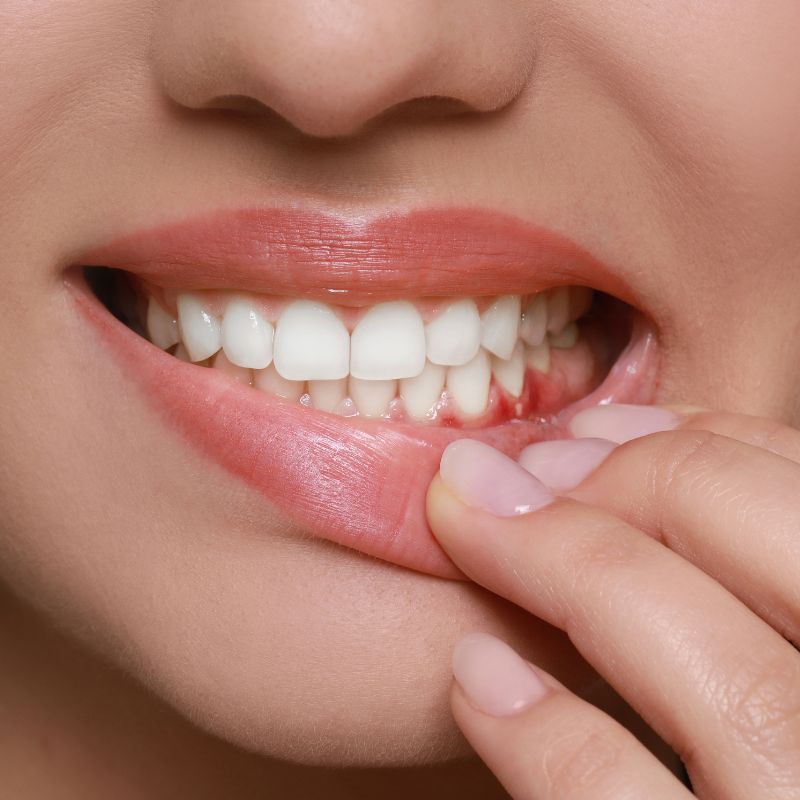
Healthy gums provide the foundation for healthy teeth. Gum disease develops when inflammation affects the tissues around the teeth. In its early stage it may cause bleeding or tenderness; if it progresses, it can affect the supporting bone and stability of the teeth.
Bleeding when brushing or flossing, persistent bad breath, swollen or receding gums, changes in the spaces between teeth, or teeth becoming loose can all warrant an assessment. Gum disease can also progress with few noticeable symptoms.
Treatment depends on how advanced the condition is. Care may include professional removal of plaque and calculus above and below the gumline, improved home cleaning techniques and management of factors that increase risk. More advanced disease may require deeper periodontal treatment or referral.
Gum disease is often managed over time rather than with a single appointment. Once inflammation is controlled, regular periodontal maintenance and effective home care help support long-term stability.
Occasional minor irritation can happen, but repeated bleeding is often a sign of inflammation and is worth discussing with your dental team.
Early gingivitis can often improve significantly with effective plaque control and professional care. Periodontitis involves loss of supporting tissues; treatment aims to control disease and protect remaining support.
Talk to Hillier Road Dental & Implant Centre
If your gums bleed, feel tender or have changed, arrange a periodontal assessment with our team.